
 GM-01
HDPE Geomembrane Liner
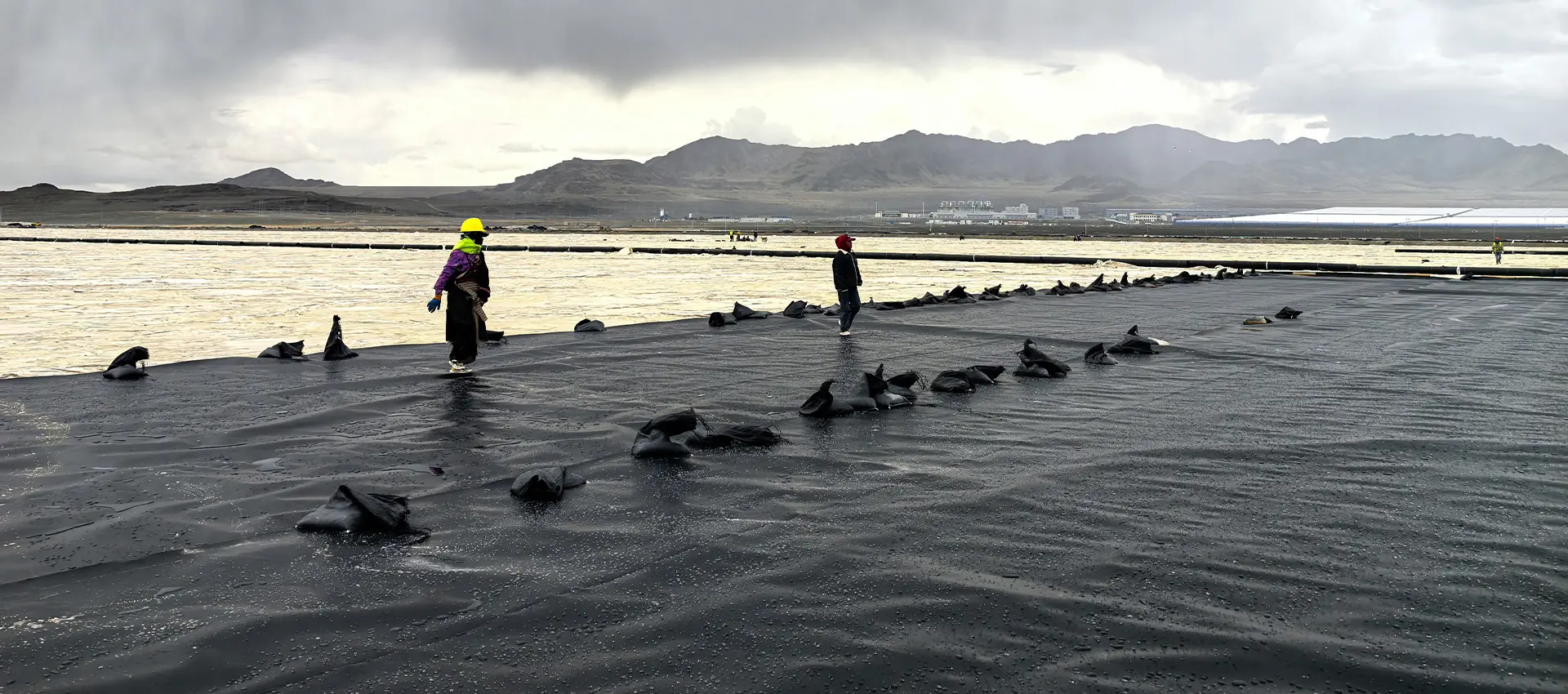
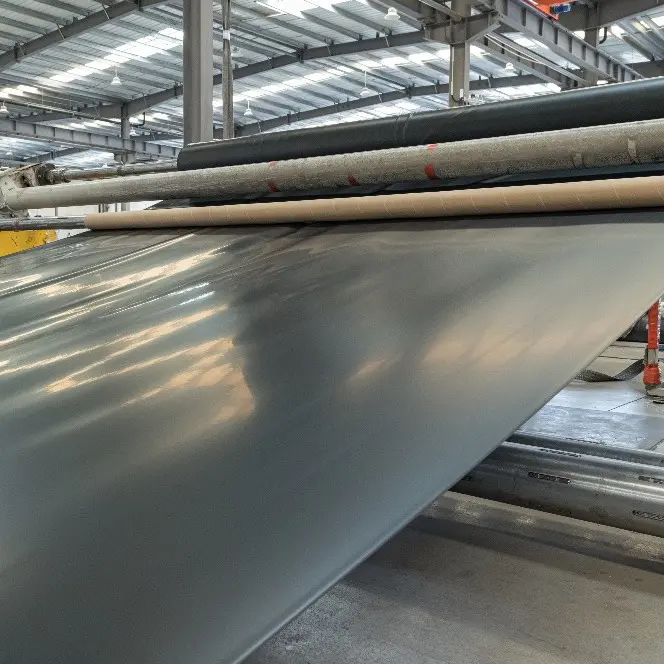
High-density polyethylene barrier with strong chemical and UV resistance for landfill, mining and lagoon containment.
- HDPE
- 0.5–3.0 mm*
- Anti-aging
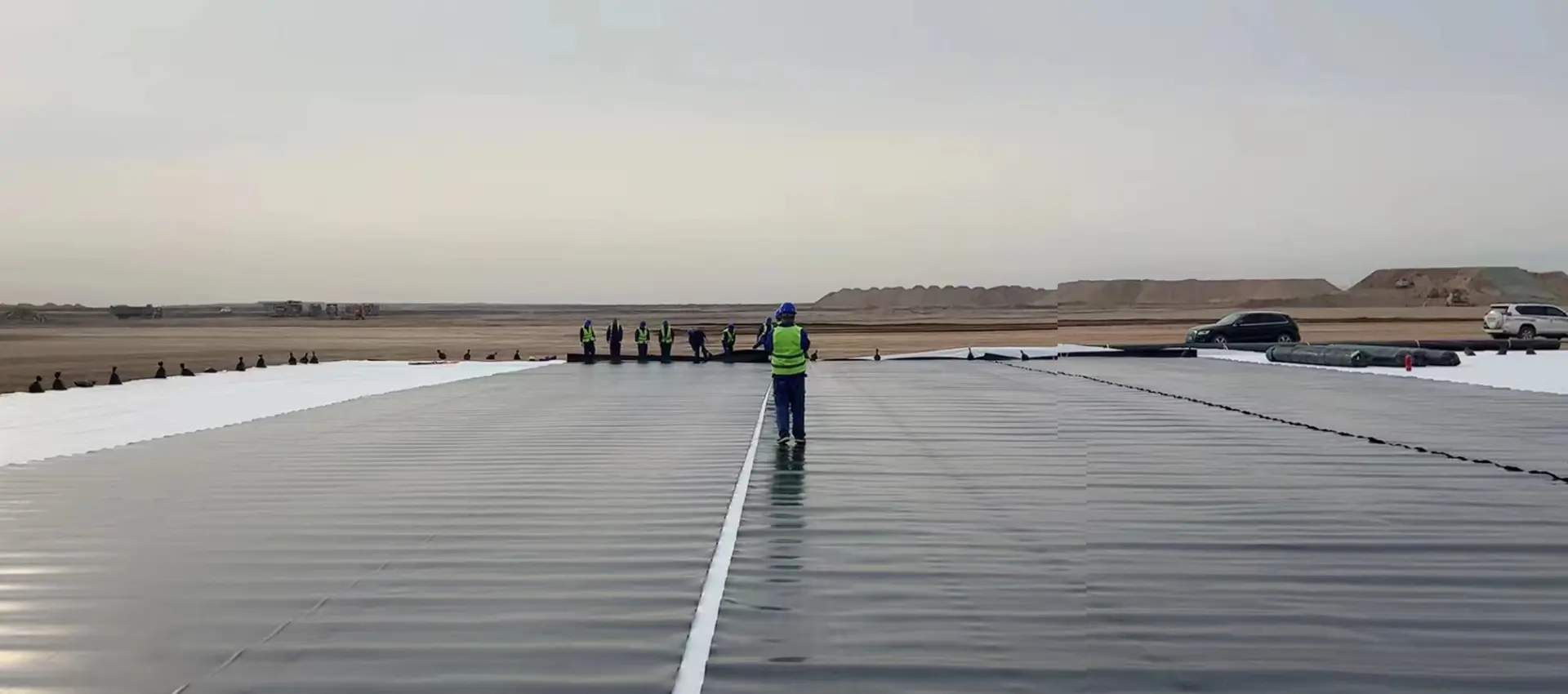
Factory-direct liners, geotextiles, geocells and drainage systems for global infrastructure.
In-house manufacturing in Tai'an, Shandong — no trading layers.
Own import & export rights for direct overseas shipment.
Material, thickness, width, color and texture made to order.
Geomembrane, geotextile, geocell and drainage from one source.
Anti-aging, UV-resistant and environmentally friendly geosynthetics for seepage control, soil stabilization and drainage. Select a category to compare products and typical specifications.
GM-01High-density polyethylene barrier with strong chemical and UV resistance for landfill, mining and lagoon containment.
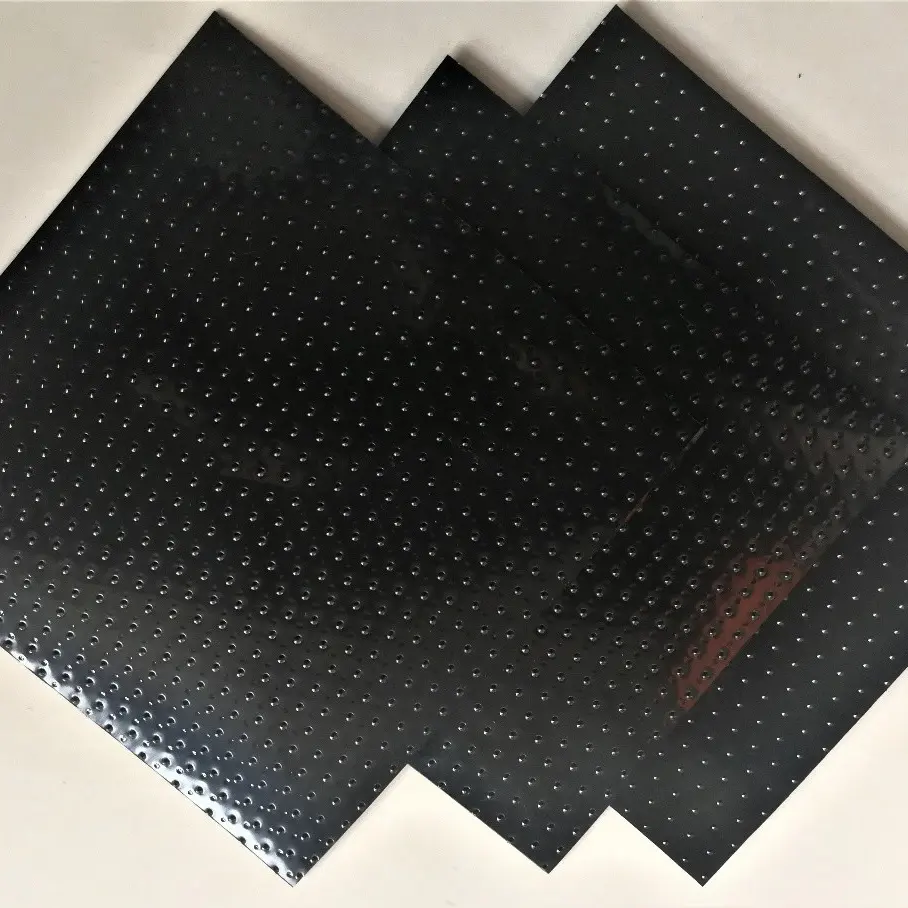 GM-02
Roughened surface raises interface friction with soil and geotextile — the safer choice for side slopes and steep cells.
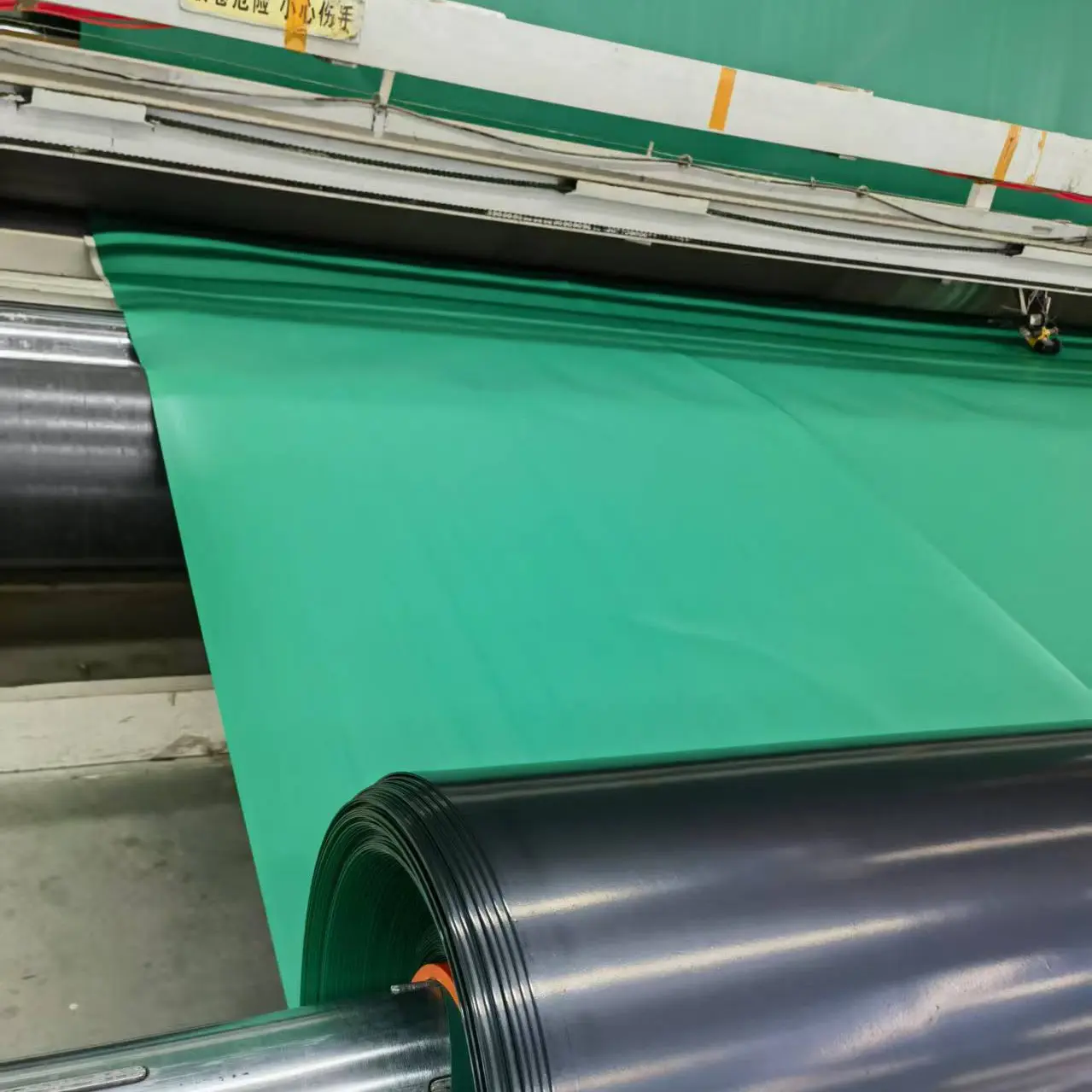 GM-03
Black with green or blue face. The light side lowers surface temperature and makes installation damage easier to spot.
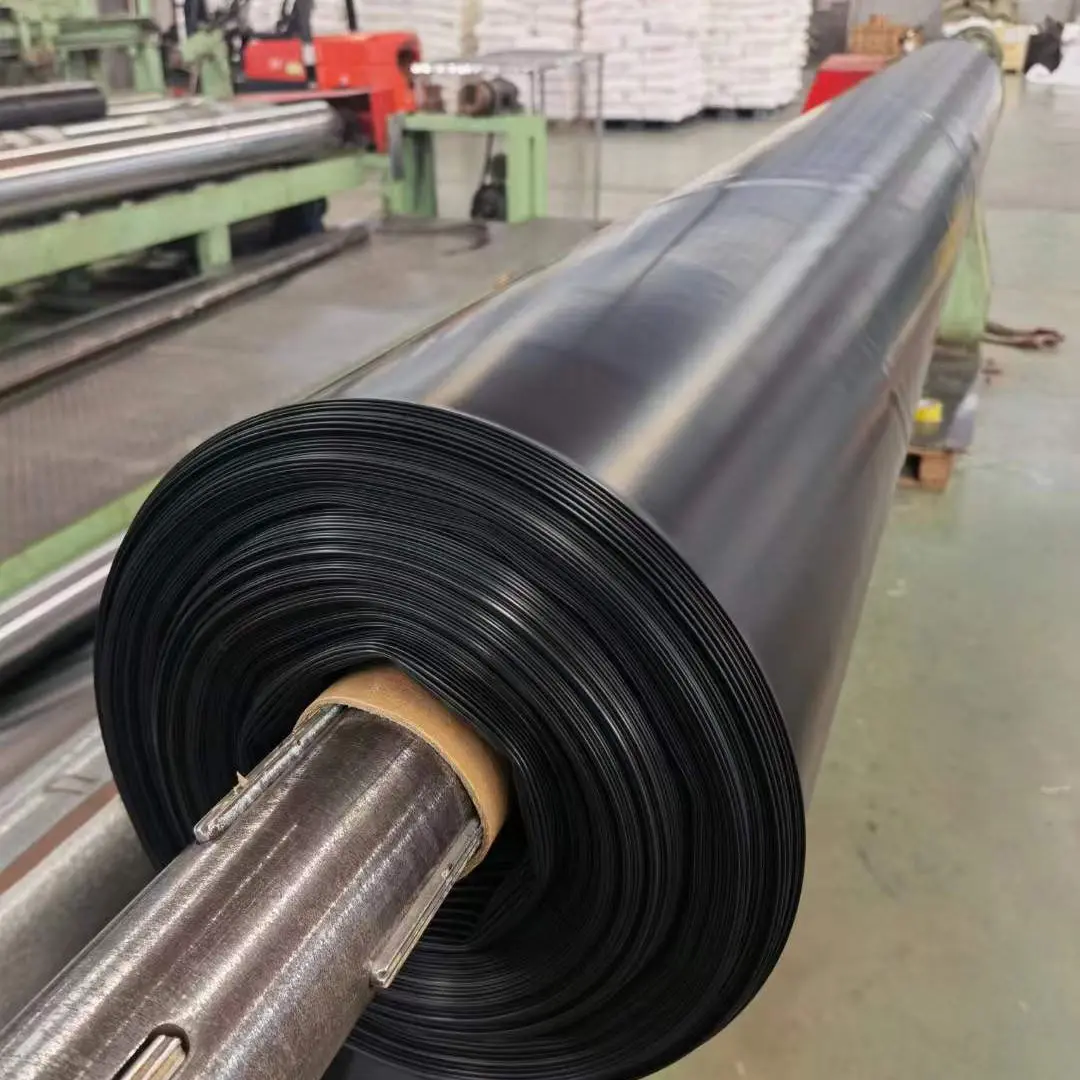 GM-04
Flexible, high-elongation sheet that conforms to uneven subgrades — ideal for tunnels, canals and aquaculture ponds.
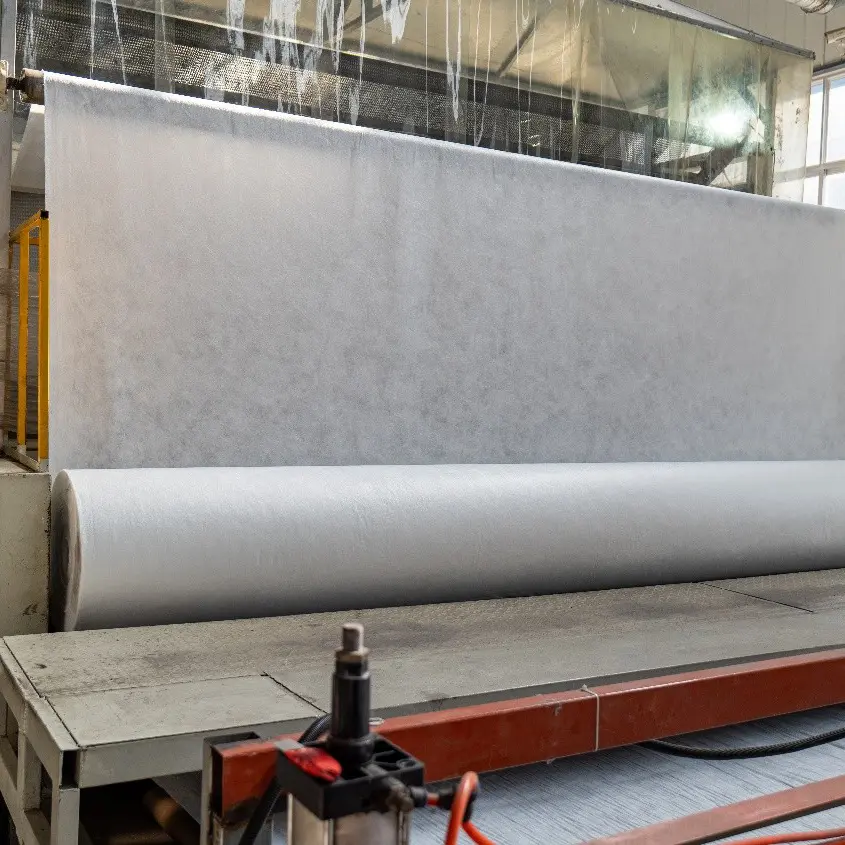 GT-01
Separation, filtration and puncture protection for retaining walls, roadbeds and hydraulic works.
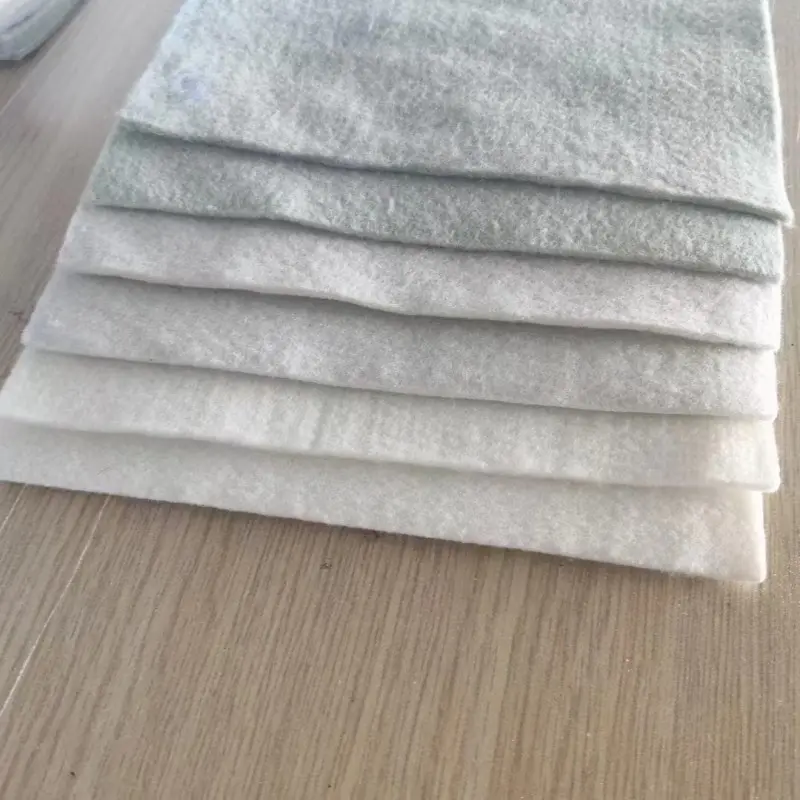 GT-02
Continuous-filament polyester fabric with high tensile strength for reinforcement and heavy-duty protection layers.
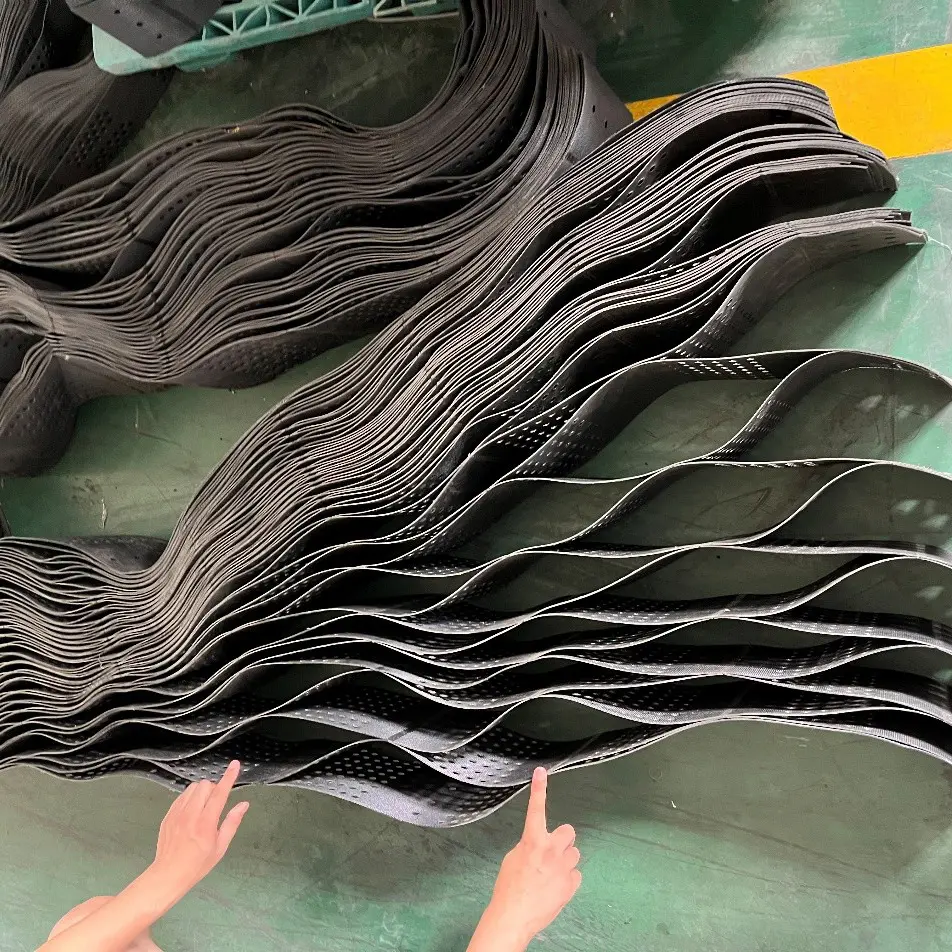 GC-01
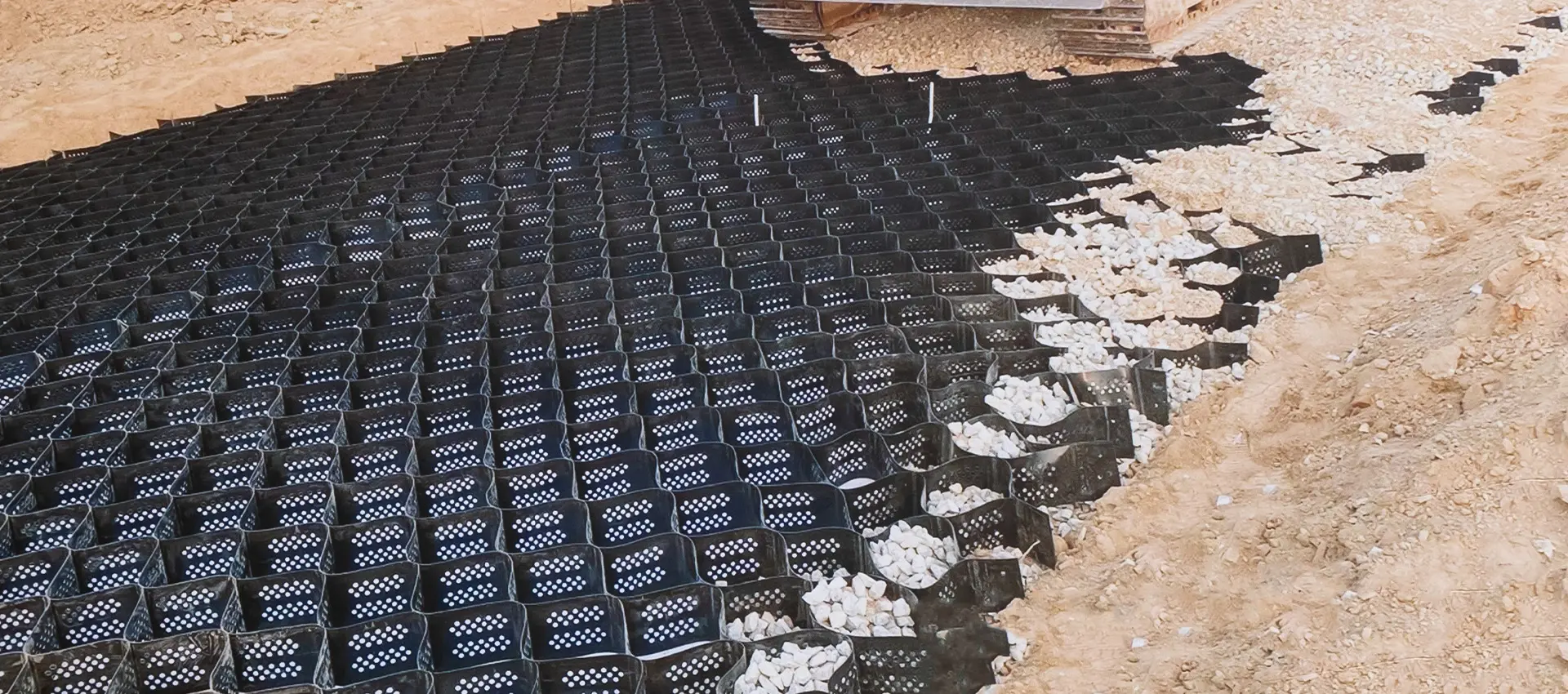
3D cellular confinement that spreads loads over soft soil — for subgrades, embankments and retaining structures.
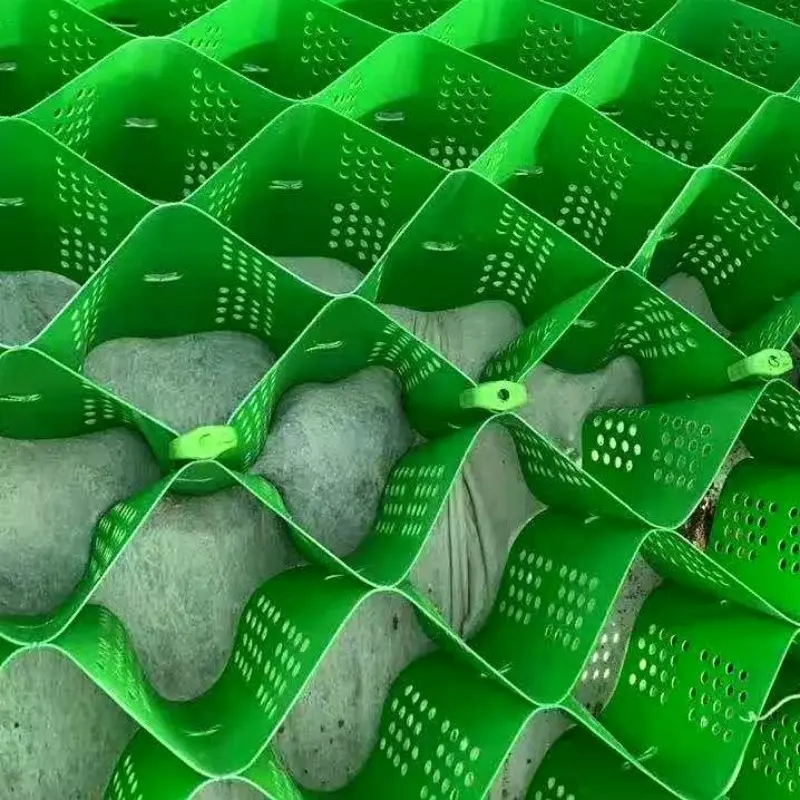 GC-02
Erosion control for riverbanks, beaches and vegetated slopes, blending with landscape restoration.
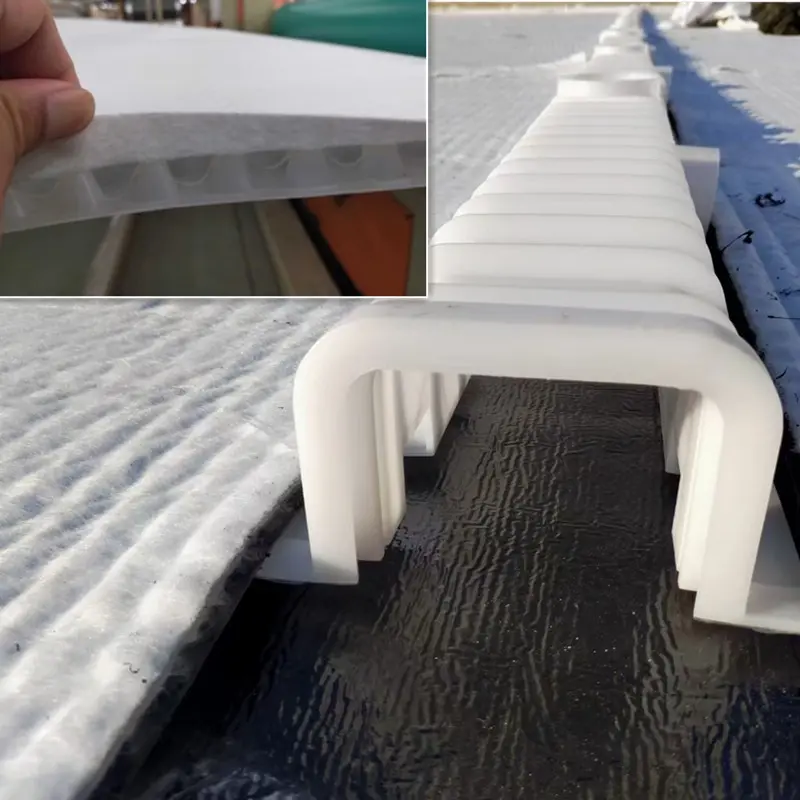 DR-01
Sponge-city rainwater collection that combines waterproofing with siphonic drainage for roofs and plazas.
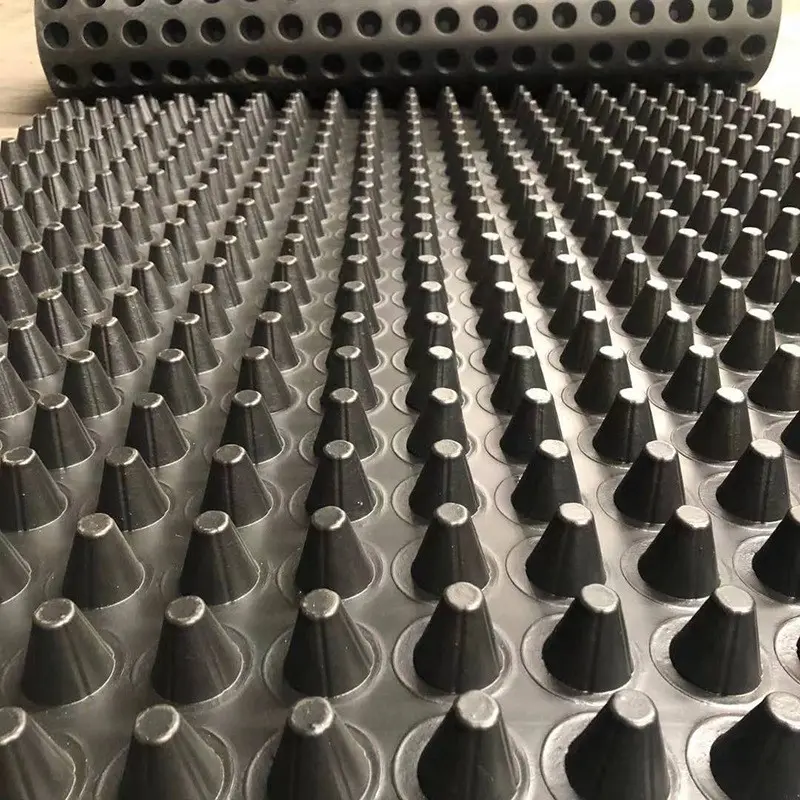 DR-02
Dimpled drainage cell that stores and drains water beneath roof gardens, podiums and landscaping.
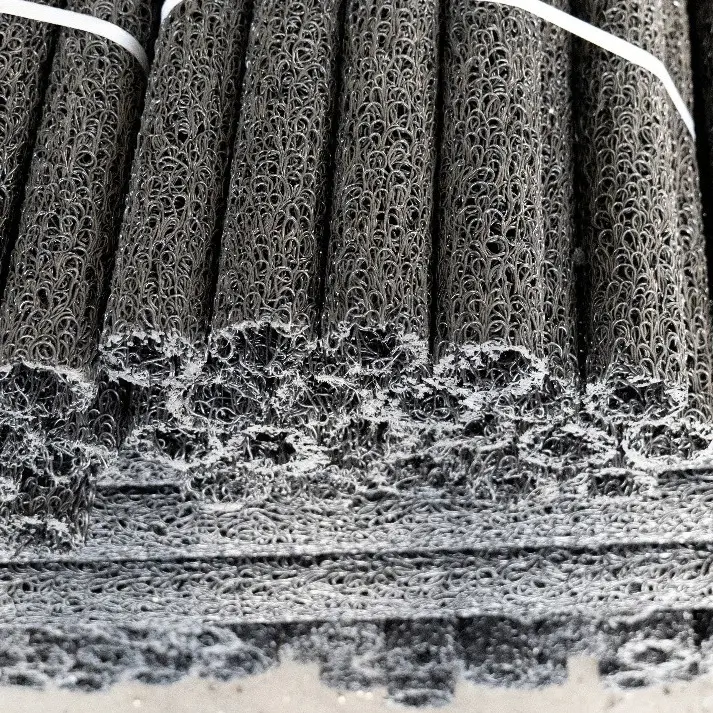 DR-03
Open 3D plastic core wrapped in filter fabric for subsurface drainage of roads, tunnels and sports fields.
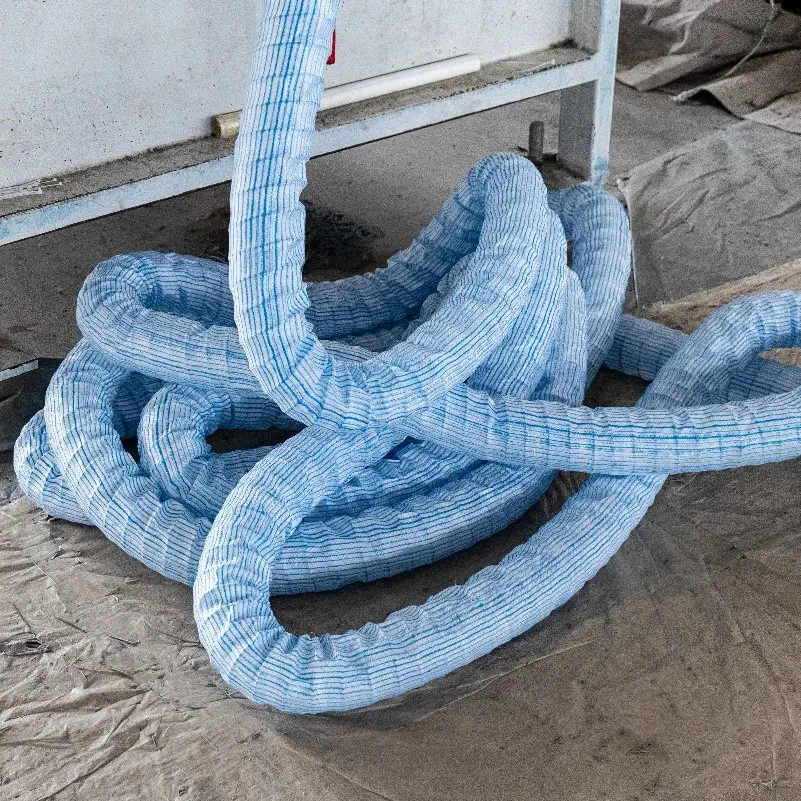 DR-04
Filter-wrapped flexible pipe that collects and discharges seepage water behind walls and in slopes.
Every containment project fails at its weakest layer. Hover or tap an industry to see the challenge we design for and the material system we recommend.
Need a layered liner design? Our engineers can review your cross-section drawings.

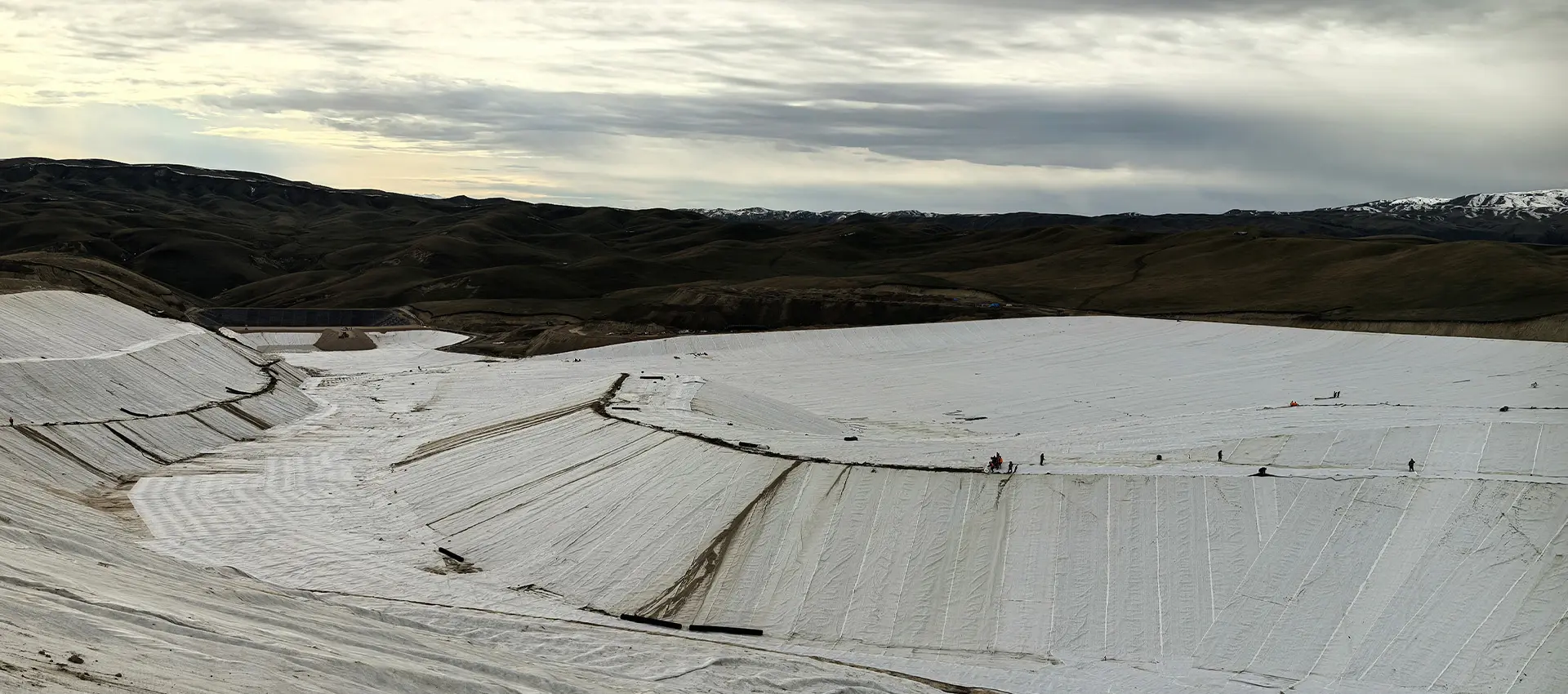
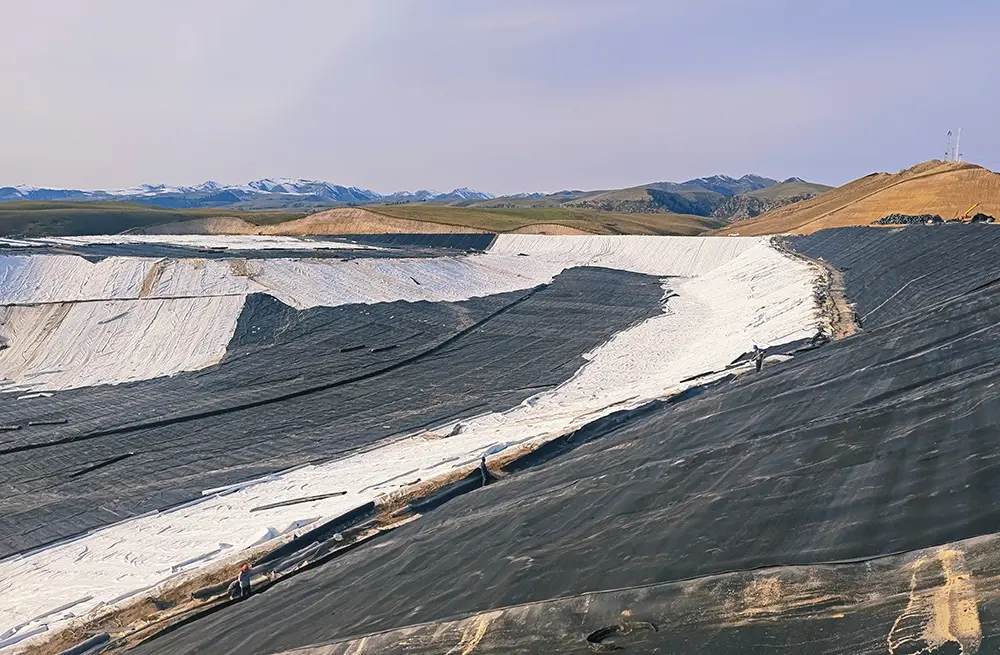
Heap leach pads, tailings ponds, ash yards and process tanks demand liners that withstand acidic or alkaline solutions and heavy ore loads without stress cracking.
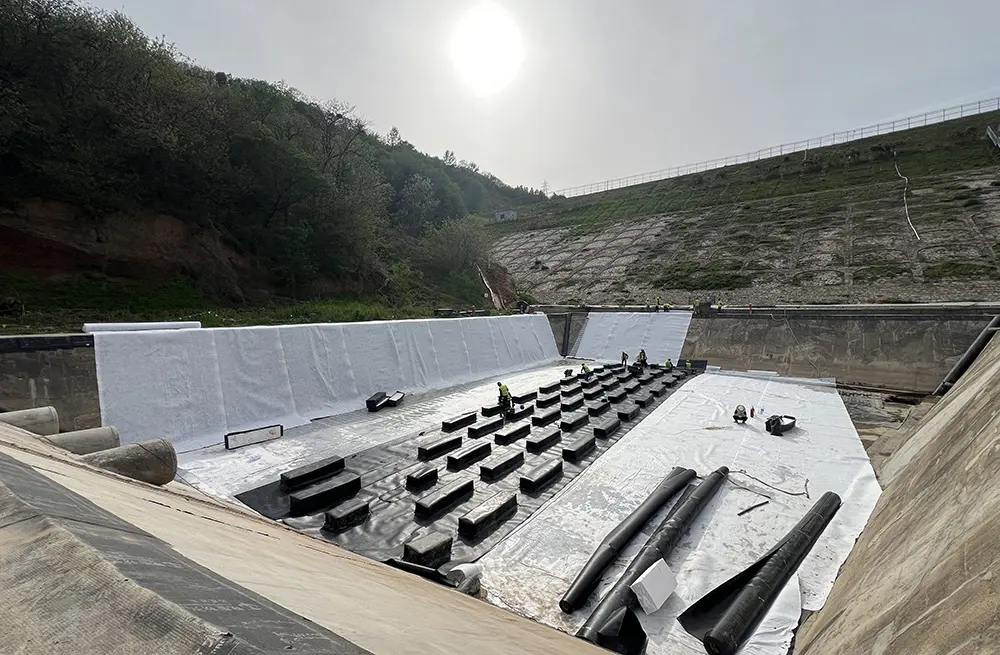
Municipal and industrial landfills rely on composite liner systems that keep leachate out of groundwater, combined with drainage layers for leachate collection.
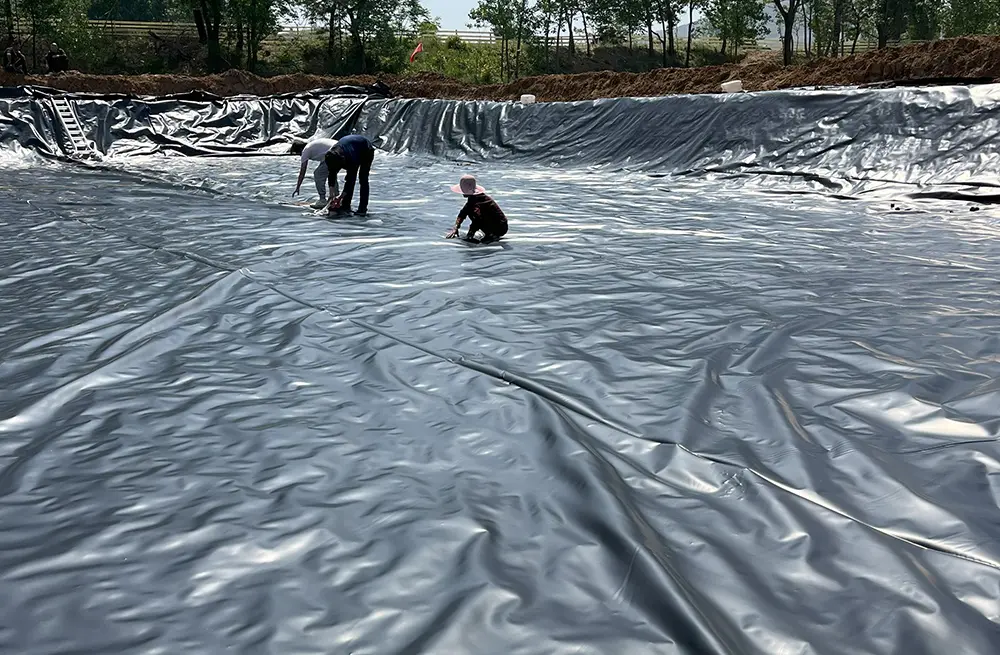
Sewage ponds, wastewater lagoons, biogas digesters and power-plant regulating ponds need watertight, UV-stable lining that stays intact through water-level cycling.
Fish, shrimp and lotus-root ponds, irrigation canals and farm reservoirs benefit from liners that cut water loss, simplify cleaning and protect stock quality.
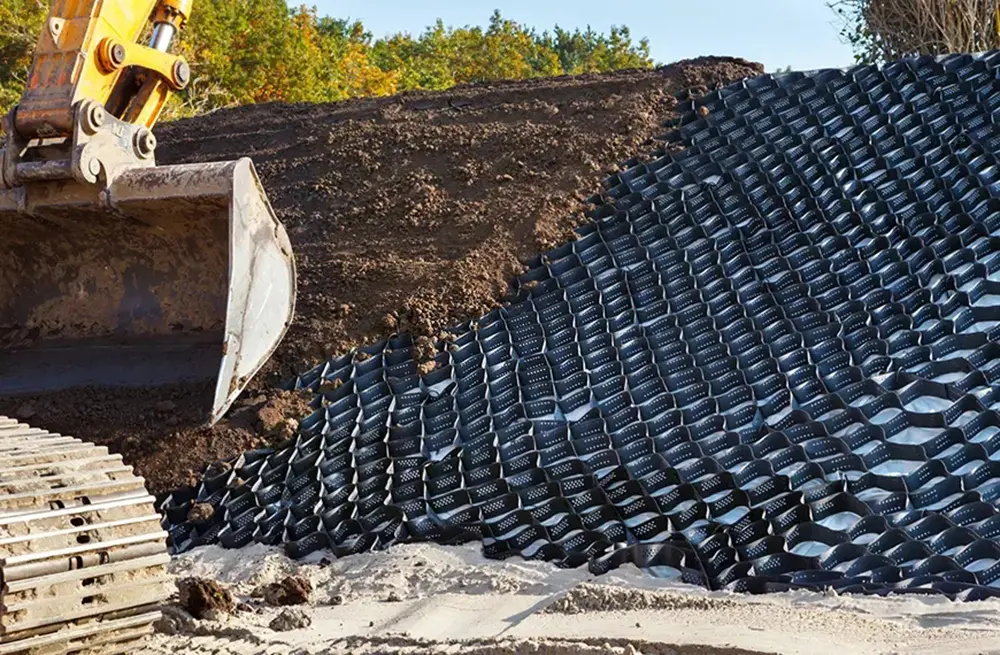
Shallow channels, riverbeds, banks and beaches are stabilized by confining infill in geocells, with geotextile filtration preventing soil migration.
From urban tunnels to remote tailings dams, our materials are specified across five core infrastructure sectors.
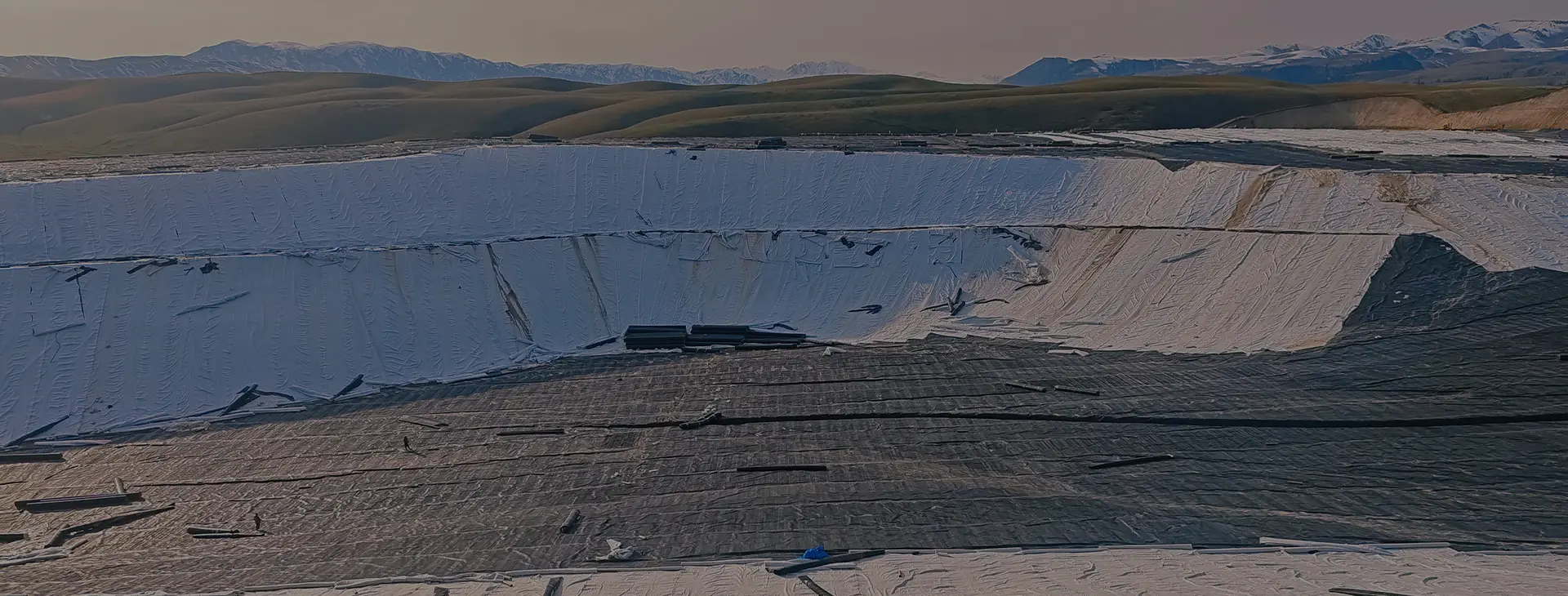
Anti-seepage for landfill sites, garbage disposal plants, biogas digesters, sewage ponds, wastewater ponds and power-plant regulating ponds.
Explore materials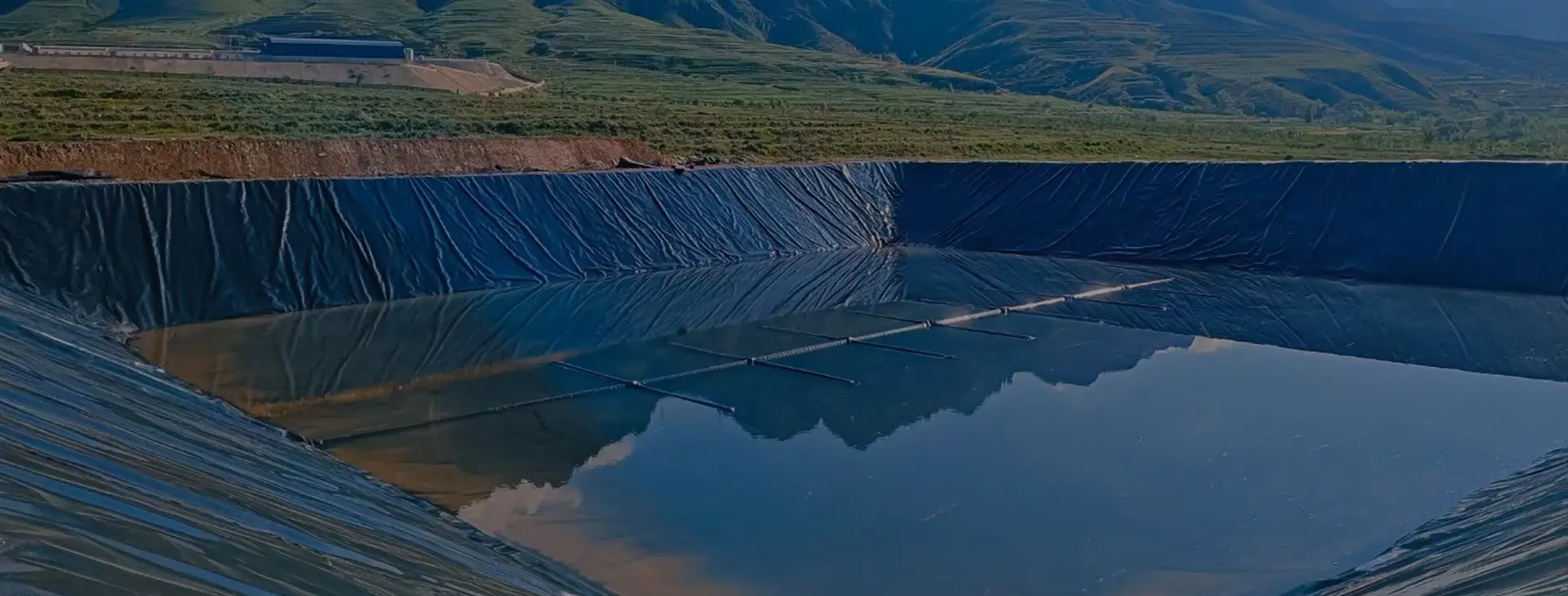
Fish, shrimp and lotus ponds, urban gardens, artificial lakes, swimming pools and golf courses.
Explore materials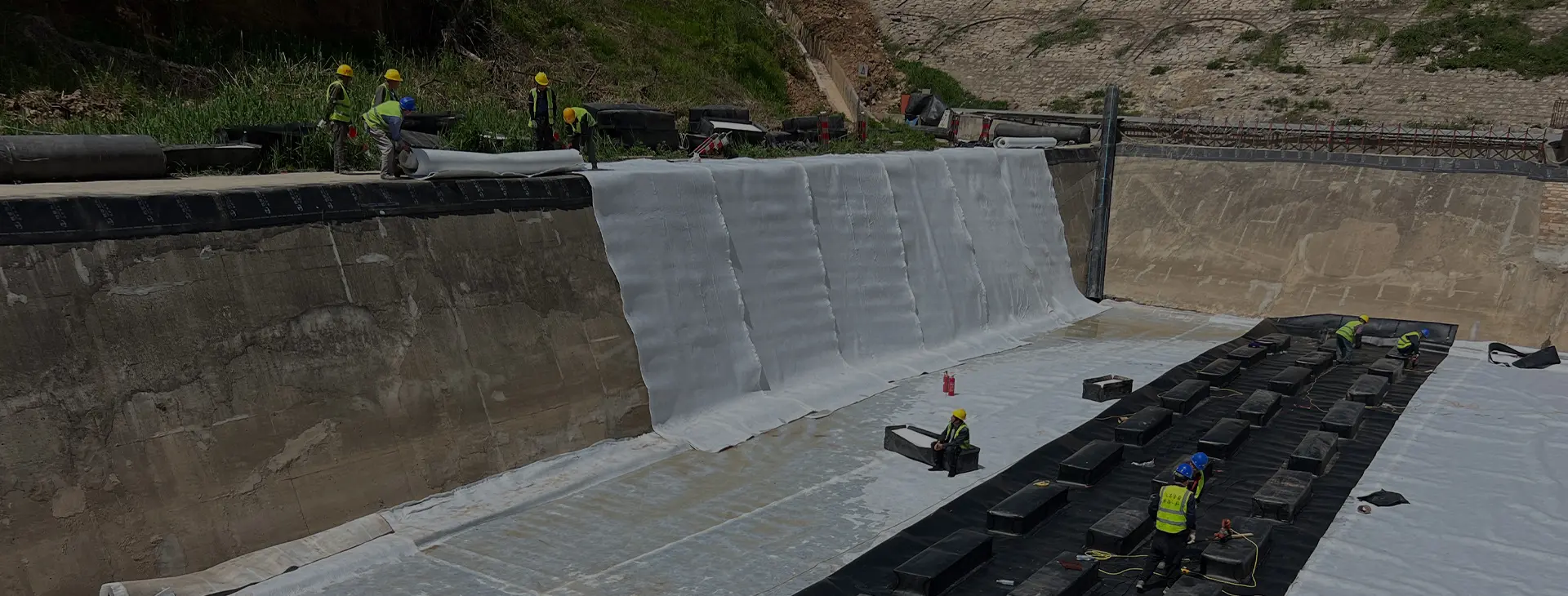
Waterproofing for subways, tunnels and utility galleries, highway slope reinforcement and roof anti-seepage.
Explore materials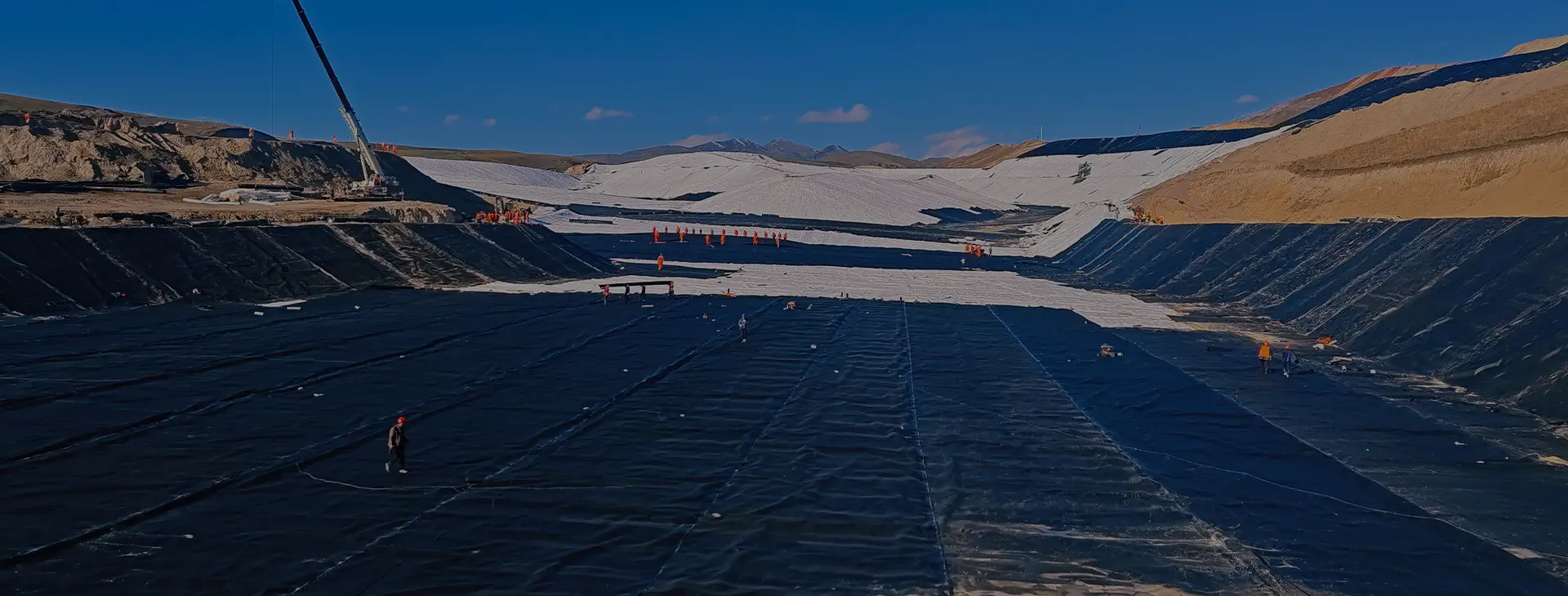
Slope protection and seepage prevention for dams, rivers, canals, reservoirs, water tanks and wharves.
Explore materials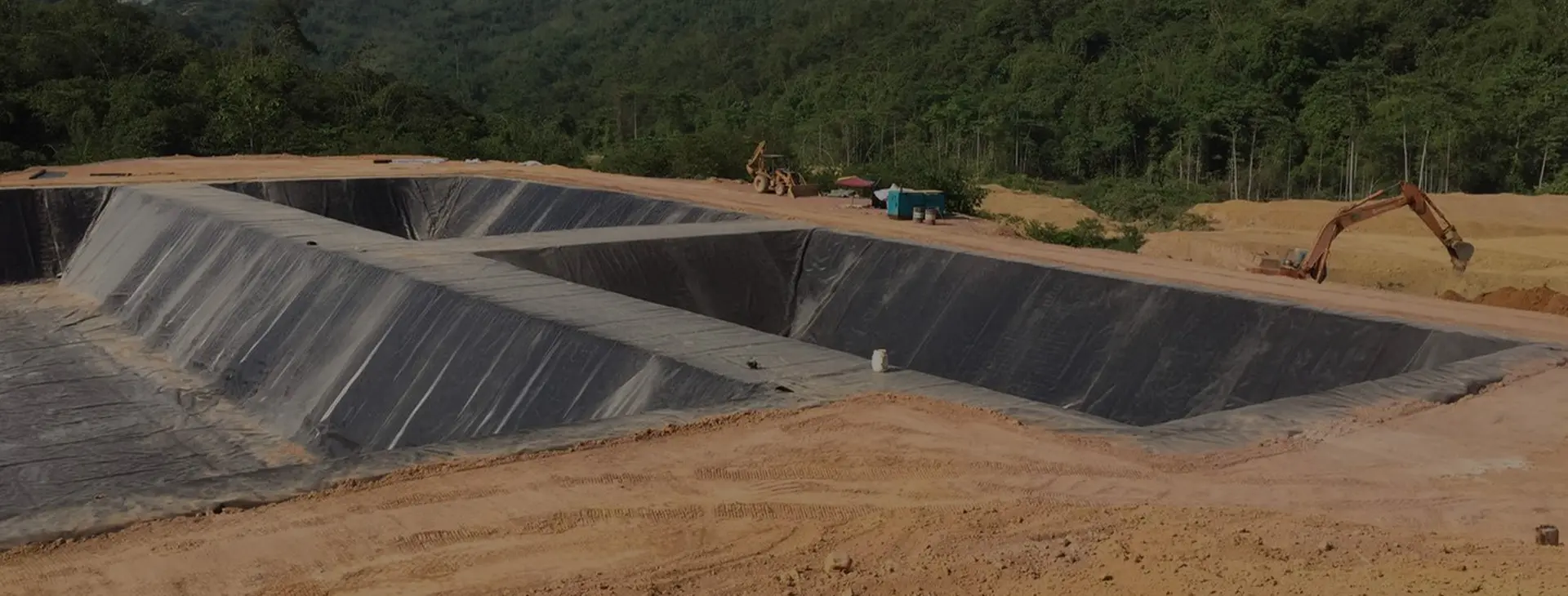
Heap leach and tailings lining, ash yards, sedimentation tanks, refineries and oil storage containment.
Explore materials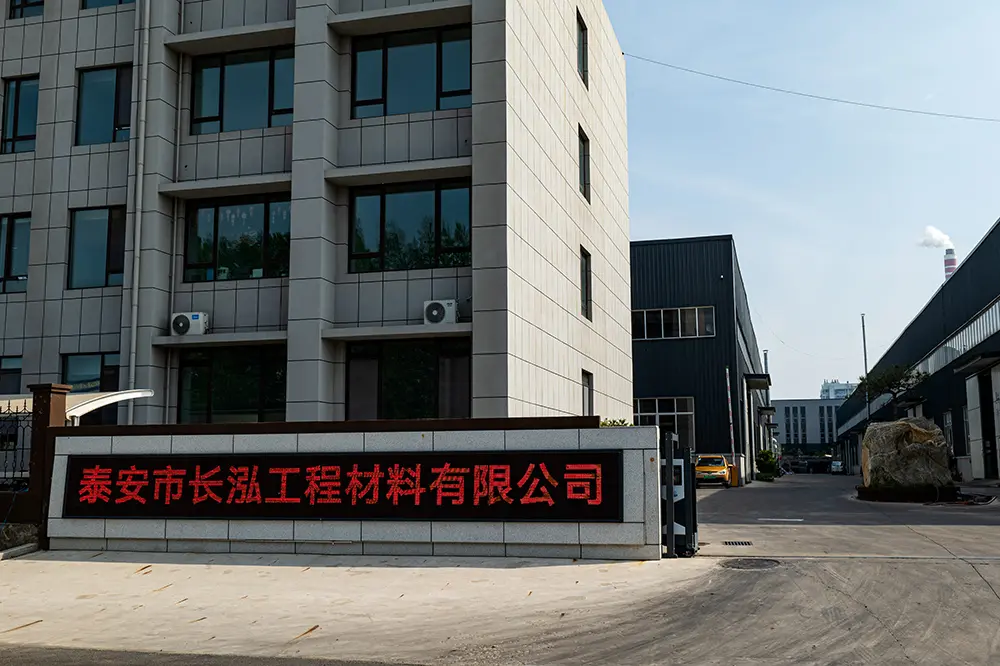
Taian Changhong Engineering Materials Co., Ltd.
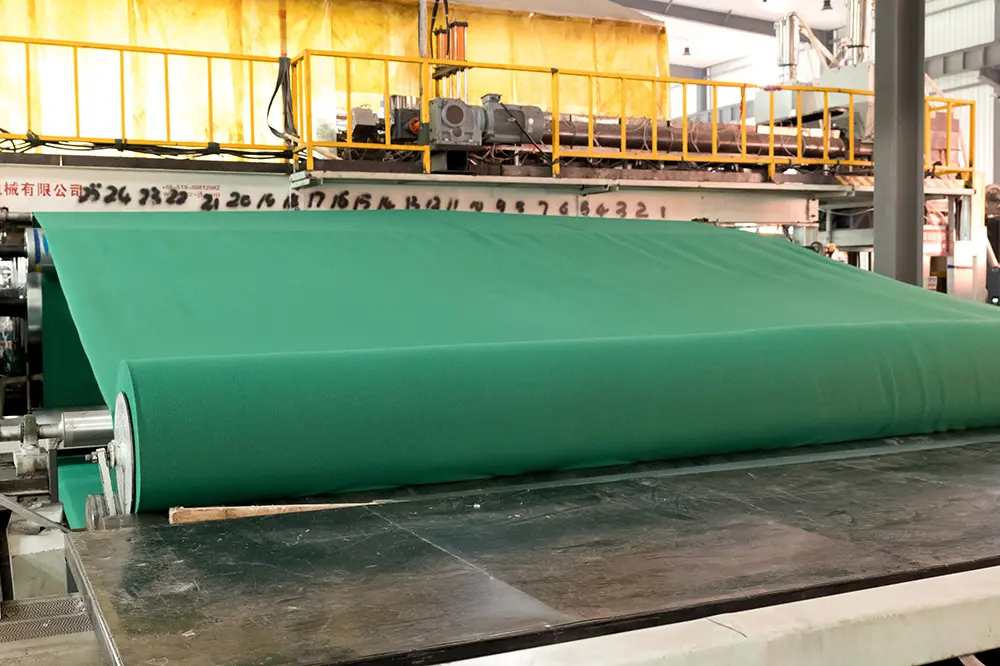
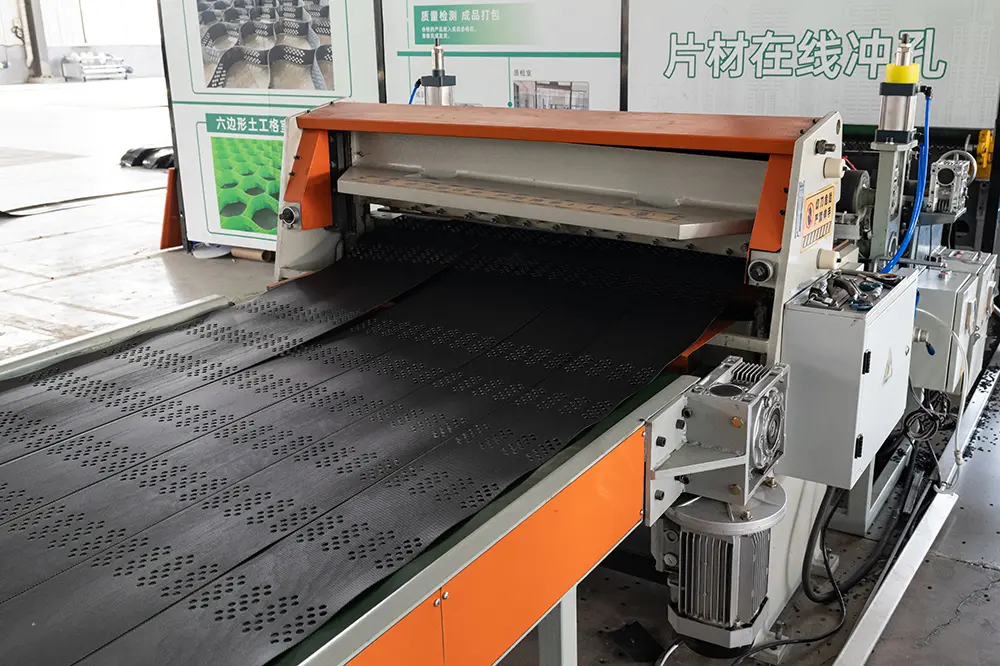
Located in the High-tech Development Zone of Tai'an, Shandong Province, Changhong is a large-scale geosynthetics manufacturer and self-operated import & export producer. Years of production experience and in-house technical capability allow us to supply contractors, EPC firms and distributors directly from our own lines.
Our materials are developed for anti-aging performance, long service life and environmental safety — the properties that matter once a liner is buried and inaccessible.
Factory & production area
Professional staff
Annual output
Sets of processing equipment
Owning the full chain — from raw material to shipping documents — means one accountable supplier for every roll on your site.
Polymer and additive selection to suit the specified grade, color and UV stability.
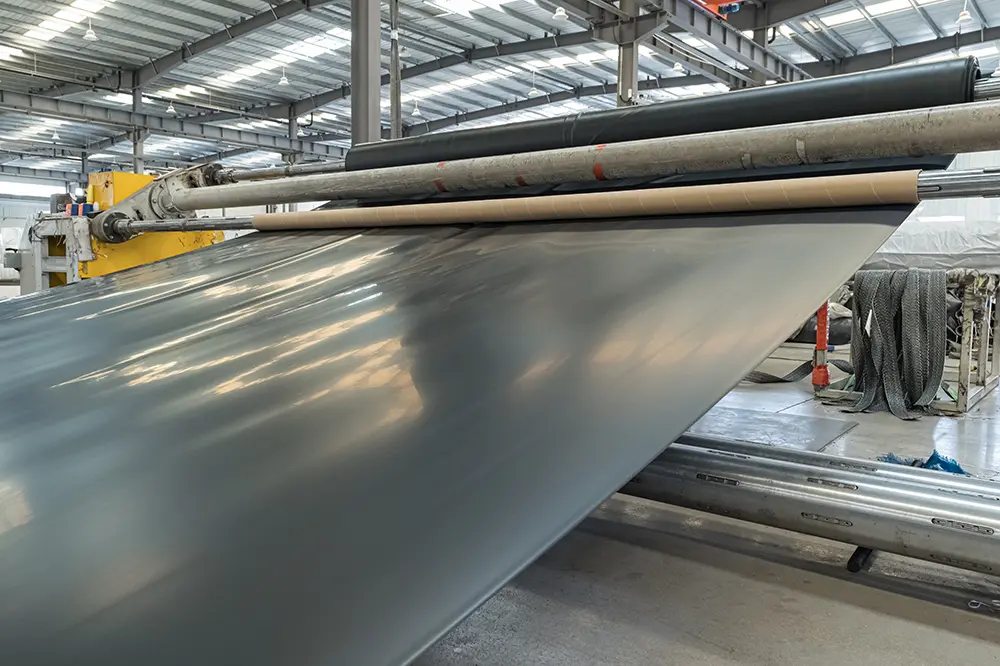
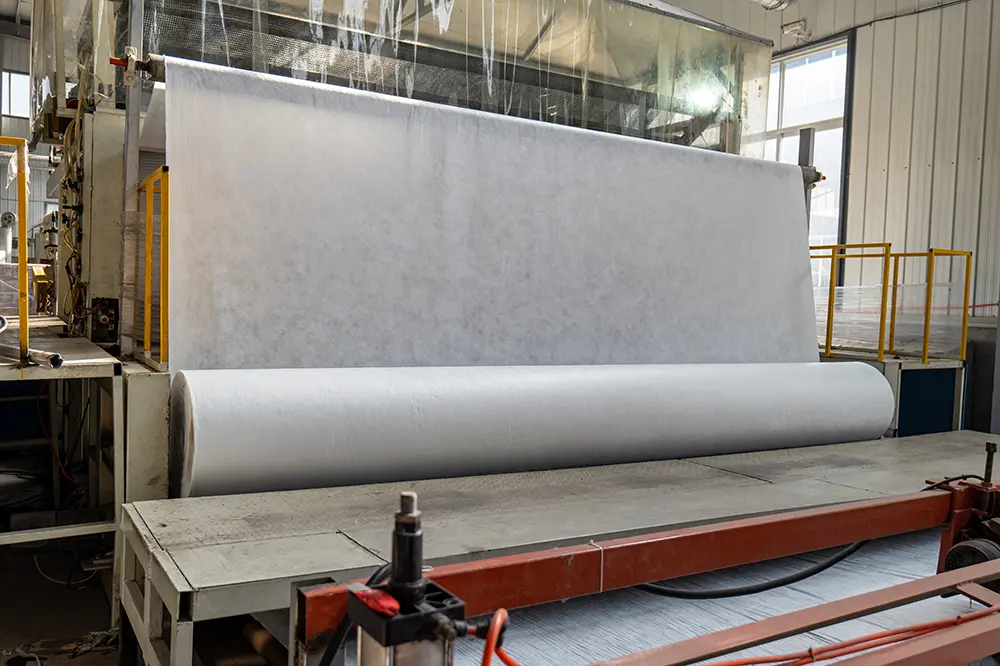
Extrusion and needle-punching on our own lines to the agreed thickness, width and texture.
Batch checks of dimensions and appearance, with technical data supplied for project approval.
Labeled rolls, secure packing and self-handled export documentation for overseas delivery.
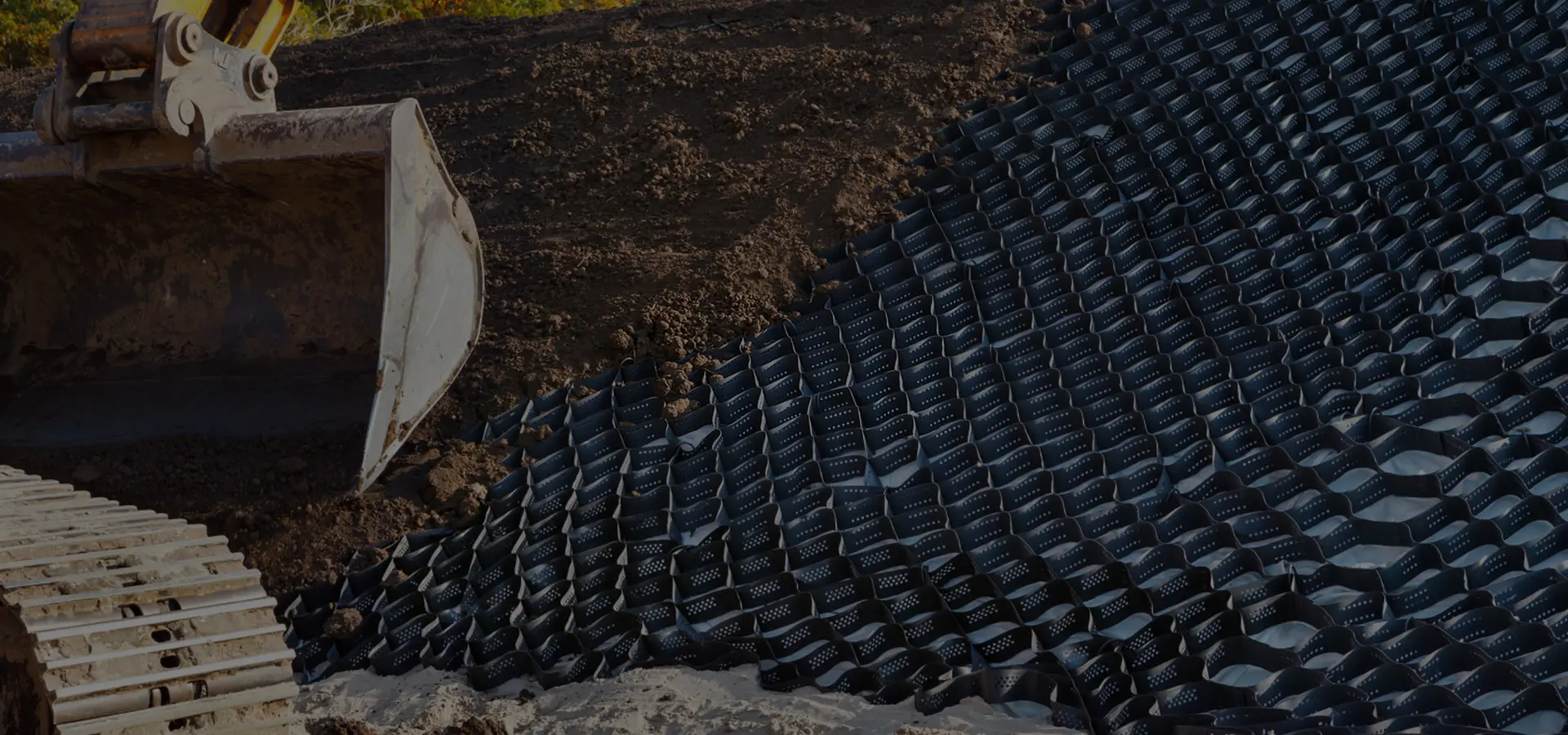
Raw materials, product specifications and dimensions are all customizable. Share your design requirements and receive a material recommendation with technical datasheets.
Selected projects supplied with Changhong materials — drag or use the arrows to explore.

Cellular confinement stabilizes bank soil against scour and surface erosion.
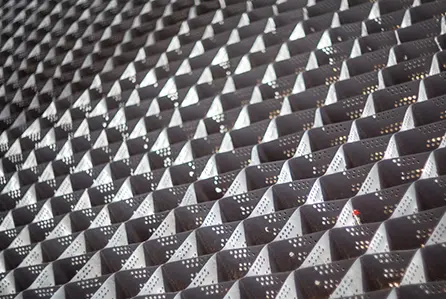
Load distribution and separation over weak ground for long-term pavement stability.
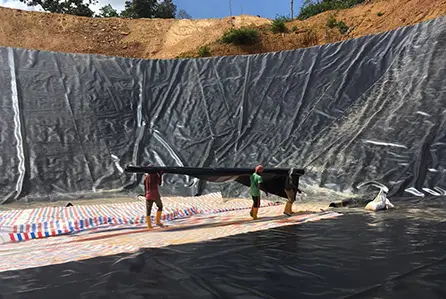
Continuous geomembrane lining to minimize water loss through the reservoir floor and slopes.
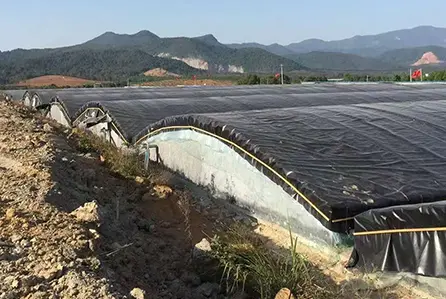
Covering materials supplied for controlled-environment agriculture.
Practical answers drawn from supplying liner, filtration and drainage materials to real projects. For project-specific values, always refer to your design specification.
Get the Technical CatalogHDPE geomembrane has higher density, stiffness, chemical resistance and UV durability, making it the standard choice for landfills, heap leach pads, tailings and wastewater lagoons.
LDPE and LLDPE are more flexible and elongate further before failure, so they conform better to uneven subgrades and settlement — common in tunnels, canals, aquaculture ponds and decorative water features.
Thickness depends on the application, local regulation, subgrade condition, cover load and exposure. Lighter gauges around 0.5–1.0 mm are common for aquaculture and agricultural ponds, while many regulations specify 1.5 mm (60 mil) HDPE or thicker for municipal landfill and mining base liners. Confirm against your project specification and governing standard.
Textured (coarse-surface) geomembrane increases interface friction with soil and geotextile, improving stability on side slopes such as landfill cell walls and heap leach pads. Smooth sheet is typically used on flat bases and where slope stability does not govern the design.
A needle-punched non-woven geotextile acts as a protective cushion that reduces puncture risk from stones and aggregate, while also providing separation and filtration. Heavier geotextiles are chosen where cover material is coarse or overburden loads are high.
Dual-track hot-wedge seams are usually checked by air-pressure testing of the channel between the two welds; extrusion welds are checked by vacuum-box or spark testing, and destructive peel and shear samples are taken at intervals. After installation, electrical leak location surveys can detect holes in the liner.
Yes. Raw material, thickness, width, roll length, color, surface texture and packaging can be customized. Share your application, project area, target standard and destination port, and our team will recommend a suitable material and provide technical datasheets.
Construction practices, testing methods and supply updates from our engineering team.
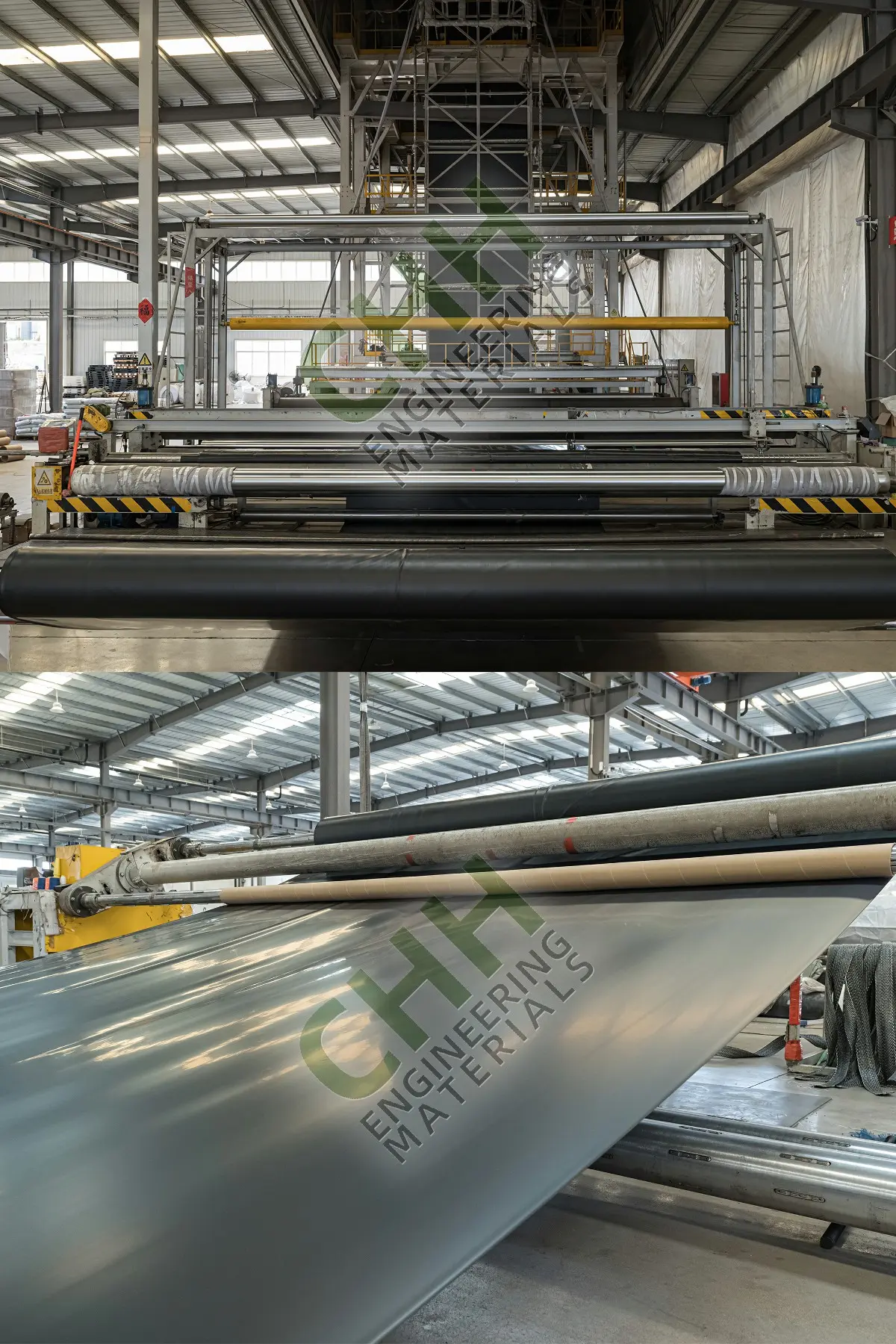
An update on how Changhong keeps geosynthetic supply steady for overseas buyers and ongoing projects.
Read More
Subgrade preparation, panel deployment, welding and anchorage — the site practices that decide liner performance.
Read More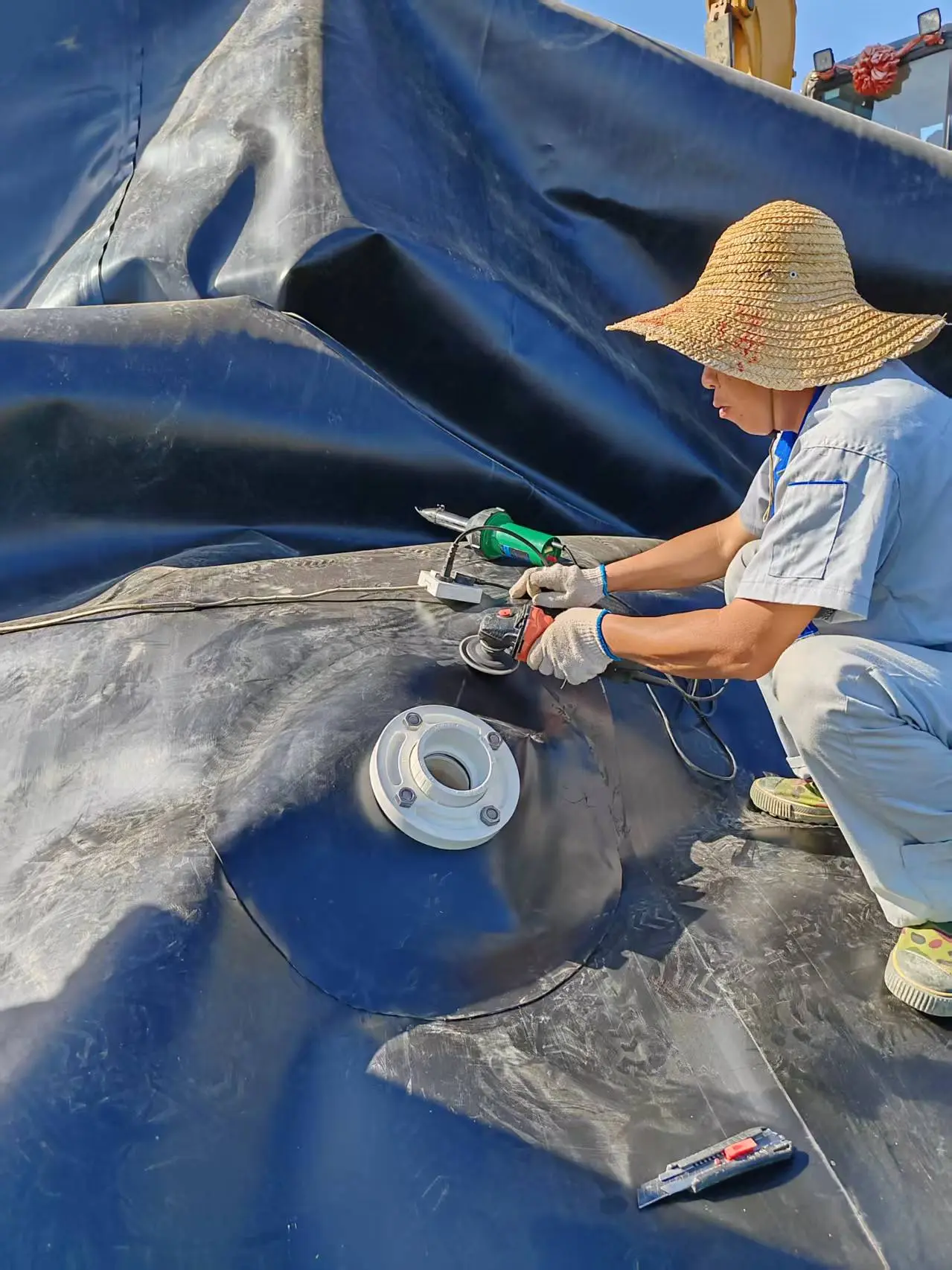
An overview of seam and leak testing methods used to verify geomembrane integrity after installation.
Read More